











1960s inevntions 1960s inevntions

60s Inventions Innovations That Shaped the Modern World

popular 80s inventions popular 80s inventions

Top Eight 80s Tech: Innovations That Defined a Decade

19th century inventions 19th century inventions

Inventions 19th Century: Catalysts for Modern Advancements

Inventors

Opinions

forgotten inventors forgotten inventors

Under-appreciated or forgotten inventors: Unsung heroes of innovation

Edison genius Edison genius

The Real Nature of Thomas Edison’s Genius: Beyond the Light Bulb

NEC Phone System End of Life: What to Do Next

Featured image credit: mobilinchen from depositphotos.com

If you’re an end user of the NEC Phone System — SL2100, SV9100, SV9500, UNIVERGE 3C, or an older model like the SL1100 or SV8100 — you may already know about this announcement.

The end of another chapter has come for NEC phone systems with its exit from all on-premises phone system operations. Hardware ceased from sale and shipment, and technical support will be over by March 31, 2026.

If you have been using any of these systems for your business, this will force you into making some decisions: whether to stay with your current platform with third-party support, migrate to a cloud solution, move to a new on-premises solution, or some combination. How much time do you have, and how urgently do you need to act?

What NEC Announced and When

In May 2024, NEC announced its complete withdrawal from on-premises Unified Communications in all areas outside of Japan. The withdrawal occurred in three phases.

The last date to buy any new systems was December 31, 2024. On this date, NEC ceased accepting purchase orders for all SL2100, SV9100, SV9500, and UNIVERGE 3C hardware, phones, expansion cards, software, and licenses. Any additional hardware you may need after that date will need to be sourced from reseller inventory or the second-hand refurbished market.

The last date for shipments was March 31, 2025 (passed). NEC shipped no orders placed prior to the last date for new sales after this point.

The last day for technical support is March 31, 2026. No hardware or software support services will be available after this date — no patches, no updates, no technical assistance.

The last day to purchase Software Assurance (SWA) is December 31, 2025. This is the most actionable deadline still ahead. SV9100 users who purchase SWA before this date can extend their support window through March 2030.

Affected equipment includes the UNIVERGE SV9100, SV9500, SL2100, UNIVERGE 3C, and all related applications and hardware. The previously announced end-of-life models — SL1100, SV8100, Aspire, and XN120 — are without a manufacturer support path.

Forerunner Technologies’ Acquisition of NEC

In February 2025, Forerunner Technologies acquired the on-premises UC business of NEC in the United States, Canada, and Latin America. The acquisition included all of NEC’s inventory, NTAC support operations, and technical and channel personnel. Distribution of NEC’s products now occurs through Optus, effective March 3, 2025.

The acquisition included a commitment from NEC Japan to continue providing software assurance and licensing through March 2030, to develop new hardware using the SV9000 platform, and to provide continued support through the Forerunner/Optus channel.

As a result, there is meaningful relief for SV9100 users. The hard support cliff for 2026 has been eliminated if you are able to obtain software assurance. Forerunner also intends to continue development of the UNIVERGE 3C platform.

Things are much different for SL2100 users. Manufacturing for the SL2100 has ceased and there is little to no hardware remaining in distributor inventory. When these products are gone, there will not be any manufacturers providing replacement parts. Software assurance options exist, but finding replacement hardware for failed components will only become harder over time.

What This Means by System

SV9100 users have the best option for staying on their platform. If the system is working properly and you are willing to use the Forerunner/Optus channel, you have a reasonable case for maintaining it through 2030 — assuming you purchase software assurance prior to December 31, 2025. Also worth noting: if your SV9100 was purchased prior to 2022 with a CP-10 CPU rather than the newer CP-20, your effective support window ends at that same December 2025 date regardless.

SL2100 users are in a more urgent position. The manufacturing plant is closed and there will be no new hardware available. As reseller inventory is depleted, parts availability will shrink, and the possibility of a hardware failure without a replacement path is very real — particularly for businesses that cannot tolerate extended downtime, such as hospitals, law firms, and service dispatch operations. It is never a good idea to wait for your hardware to fail before making a decision.

SL1100, SV8100, Aspire, and XN120 users must act as soon as possible. These systems were at end-of-life prior to the 2024 announcement — the SL1100 and SV8100 lost NEC support in 2019 — and the Forerunner acquisition extends no support path for these platforms.

Risks of Staying on an Unsupported NEC System

Even if you are able to obtain third-party support, there are substantial risks associated with running an EOL phone system.

Security vulnerabilities. Without security updates or firmware fixes from the manufacturer after March 2026, your phone system becomes an increasingly exposed attack surface. PBX systems are susceptible to hacking and toll fraud, which costs businesses billions annually, and unsupported systems are common targets.

Hardware failure without replacement. NEC hardware is no longer being manufactured for the SL2100, and is in limited production for the SV9100. When a critical component fails, sourcing a replacement becomes a parts-market problem, not a support call.

Compliance risk. Companies in regulated sectors — healthcare, finance, legal — face compliance exposure when running infrastructure that does not receive security patches.

Integration limitations. Modern business application vendors (CRM, helpdesk, collaboration) increasingly rely on up-to-date telephone infrastructure. Outdated, unsupported systems may become incompatible with newer versions of Windows or other application software.

Shrinking support ecosystem. The number of NEC-certified dealers and technicians providing service to these systems is declining rapidly. Finding experienced local support will become increasingly difficult.

Your Options

Option 1: Remain with NEC using third-party support (SV9100 only)

If you have a well-functioning SV9100 purchased recently, software assurance coverage, and a reliable support partner through Forerunner or Optus, this path is viable. Reach out to your NEC dealer and purchase Software Assurance before December 31, 2025, confirm your CPU version, and stockpile critical spare parts before they are no longer available. The honest trade-off is that you are extending the lifespan of a platform whose original manufacturer has left the market. Forerunner has limited resources compared to NEC, the reseller network has been disrupted, and hardware supply is finite. Proceed with caution.

Option 2: Move to a cloud phone system (UCaaS)

For small to mid-sized businesses — especially those with remote workers, multiple locations, or growth plans — migrating to the cloud is the most logical choice. Cloud UCaaS platforms such as RingCentral, Microsoft Teams Phone, Zoom Phone, 8×8, and Intermedia (which assumed control of NEC’s own UNIVERGE BLUE cloud solution in 2024) offer no on-premises equipment to maintain, automatic security updates, easy scalability, and predictable per-user pricing. Transitions from NEC to UCaaS have been performed successfully many times, and most businesses complete the process without meaningful downtime. Because Intermedia now owns UNIVERGE BLUE, your users may already be familiar with its interface.

Option 3: Transfer to another on-premises phone system

If your business operates in a regulated environment, has limited internet reliability, or your IT team requires local control, transferring to an alternative on-premises vendor such as Mitel, Avaya, Cisco, or 3CX may be appropriate. That said, most companies that believe they need an on-premises PBX do not actually require one.

Option 4: Implement a hybrid solution

Many businesses use migration as an opportunity to modernize incrementally — keeping on-premises components where needed while moving external lines and remote workers to the cloud. Forerunner is actively positioning itself as a resource for UNIVERGE 3C users considering this kind of transition.

Have questions? Leave your thoughts below and we will respond.

Why Track Physician Referrals in CRM? Discover Its Value

Keeping a close eye on physician referrals within a customer relationship management system brings clarity to how patients enter a practice and how care partners interact. That visibility turns scattered notes and memory into a single source of truth that staff can trust.

Tracking referral patterns helps clinics spot trends in volume and quality that matter to scheduling, billing, and patient care. Over time the record becomes a living map that guides outreach, follow up, and resource allocation.

Why Tracking Referrals Matters For Patient Flow

When referral sources are logged and updated in CRM the entire patient journey becomes easier to follow for front desk teams and clinicians. Appointment scheduling improves because staff can prioritize slots based on referral urgency and historical conversion rates from each source.

Patient handoffs between providers are smoother when notes about prior conversations and expectations live in the same place as contact details. That clarity avoids dropped balls and keeps access moving without frantic calls.

Measuring Referral Impact On Revenue

A CRM that captures referral origin lets finance and operations tie revenue to real referrals rather than guesswork. Practices can compute average value per referral by linking referral records to billing outcomes and follow up visits.

Those figures expose which outreach produces sustainable volume and which relationships generate intermittent gains. With numbers in hand leaders can make budgeting choices with more confidence than before.

Enhancing Physician Relationship Management

Keeping a log of contacts calls and meeting notes helps teams nurture professional ties beyond the occasional thank you card. A CRM tracks who reached out when and what was discussed so follow up messages feel personal rather than generic.

With consistent tracking and reporting tools in place, teams gain a better view of referring trends, helping them understand which partnerships are strengthening and where more engagement may be needed.

That pattern builds goodwill and makes future collaboration easier when a case calls for special handling. Stronger relationships often produce repeat referrals and a smoother referral experience for patients.

Improving Care Coordination And Patient Experience

When referral data sits alongside clinical notes care teams can flag special needs and preauthorization items without delay. Nurses and care coordinators know what the referring clinician emphasized and can tailor intake questions to match those priorities.

Patients sense the difference when handoffs feel intentional and staff speak with the same facts. The net effect is fewer surprises and a calmer visit for everyone.

Using Data To Spot Trends And Service Gaps

A structured referral log reveals recurring themes in provider behavior and patient needs that are easy to miss in daily work. Patterns such as rising demand for a service or an area with few geographic referrals surface quickly when records are aggregated.

That information supports decisions about staffing training and where to add clinic hours. When trends are visible leaders can act before a problem becomes a crisis.

Streamlining Administrative Workflows

Centralized referral capture reduces repeated data entry and shrinks the number of places staff must search for patient history. Templates and standardized fields speed intake and reduce the chance that a referral slips through unnoticed.

With far less time wasted on administrative grunt work teams reclaim hours for higher value tasks. That change lowers frustration and raises throughput across the practice.

Supporting Compliance And Reporting Needs

Audit trails that show who entered a referral and when make regulatory reporting cleaner and less nerve wracking. Accurate referral records help satisfy payer requirements and document medically necessary pathways when questions arise.

A CRM can also store consent forms notes and status updates that auditors expect to see. Good record keeping reduces the risk of revenue adjustments or delayed payments tied to missing paperwork.

Turning Referral Data Into Actionable Strategy

When leadership examines referral metrics alongside scheduling and outcomes they can craft outreach that targets the right partners. Reports about referral latency conversion rates and follow up effectiveness point to specific fixes rather than vague aspirations.

Teams can pilot small changes track results and expand what works without reinventing the wheel. That pragmatic approach keeps momentum and prevents wasted effort.

Practical Steps To Get Started With Referral Tracking

Begin by defining which referral attributes matter most such as source name specialty urgency and whether the visit converted to care. Train staff to capture those fields at first contact and to update the record when status changes occur.

Build simple reports that answer common questions for clinicians administrators and office managers. Over time refine fields and workflows based on what the data shows and what users request.

Common Pitfalls And How To Avoid Them

Incomplete entries and inconsistent naming conventions quickly undermine a tracking system and frustrate users who expect reliable data. Adopt naming standards and make certain that mandatory fields are truly mandatory for entry to pass.

Avoid piling too many requirements on busy staff by keeping forms tight and focused on high value items. Regular review of entries helps catch and correct drift before patterns harden.

How Small Teams Can Achieve Big Gains

Even a modest clinic can benefit from capturing referral touch points if the effort focuses on a few high impact fields. Start with the basics then expand to cover outcomes and billing links once the habit is established.

Small wins build trust in the system and encourage broader adoption without heavy overhead. When the team sees fewer manual follow ups and clearer handoffs morale climbs and performance follows.

Technology Choices That Make A Difference

Not every CRM offers the same depth of clinical features but core functionality like customizable fields activity logs and reporting is widely available. Look for systems that integrate with scheduling and billing to avoid silos and duplicated work.

Ease of use and mobile access matter more than bells and whistles when staff are pressed for time. A straightforward setup that fits daily routines wins far more support than a feature rich tool that sits idle.

Key Performance Metrics To Track Regularly

Track measures such as referral to appointment time conversion rate and average revenue per referral to get a rounded view of performance. Monitor which referring clinicians drive repeat visits and which produce high value episodes of care.

Watch trends in referral volume by specialty and geography to spot opportunities for growth. Frequent but light touch reporting keeps leaders informed without drowning them in numbers.

Can You Customize Your Garage Floor Design? Discover Now

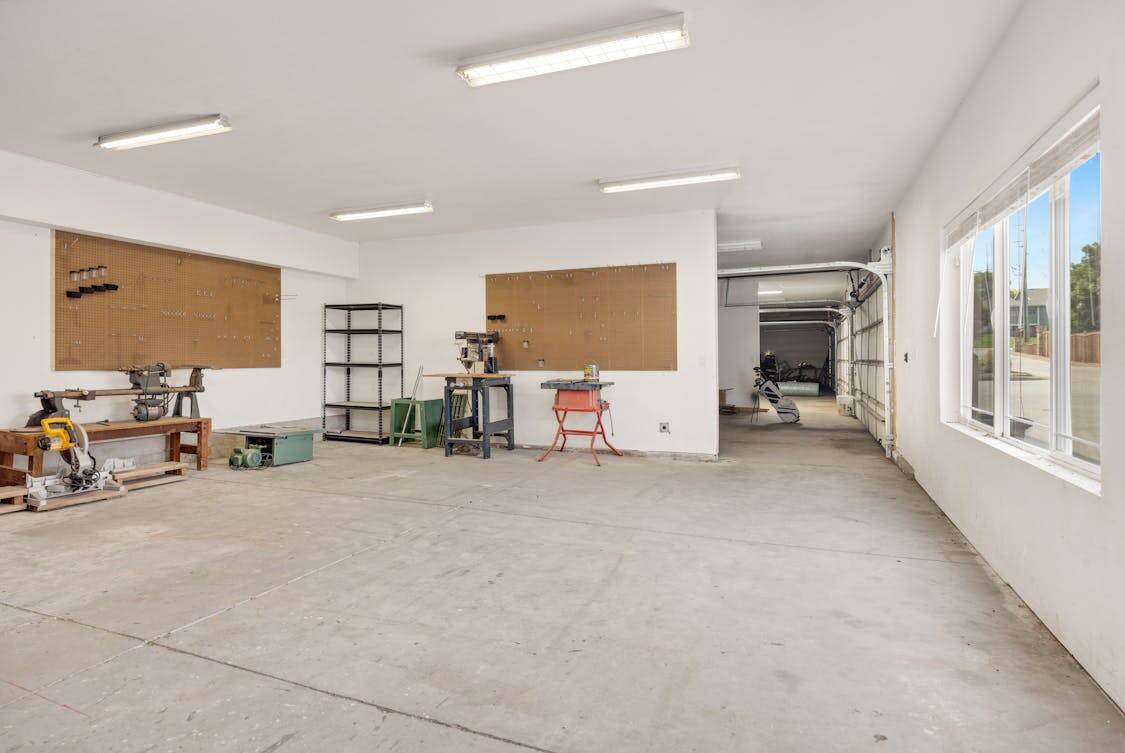
Your garage is often more than just a place to park your car; it’s a multifunctional space that can serve as a workshop, a storage area, or even a home gym.

With that in mind, customizing your garage floor design can significantly enhance its functionality and appearance. This article explores the myriad options available for customizing your garage floor, helping you transform it into a stylish and practical space.

Understanding Your Options

When it comes to garage floors, there is a wide variety of materials and designs to choose from. Whether you prefer the traditional concrete look or something more extravagant, the options are endless. Some popular choices include epoxy coatings, interlocking tiles, and polished concrete.

Epoxy Coating

Epoxy is a popular choice among homeowners for its durability and aesthetic appeal. This resin-based coating can be applied over concrete floors, creating a glossy, hard surface that protects against stains and spills. Additionally, epoxy comes in various colors and styles, allowing you to create a personalized look that matches your home’s decor.

Interlocking Tiles

Interlocking tiles present a practical solution for customizing a garage floor. Available in various colors and textures, these tiles can be arranged in countless patterns, making your garage stand out. They are easy to install and maintain, offering a flexible option for those who like to change things up every now and then.

Polished Concrete

If you prefer a sleek and modern look, polished concrete is worth considering. This method involves grinding down the concrete surface to achieve a shiny finish. Not only does polished concrete look elegant, but it is also resistant to stains and easy to clean, making it a functional choice for any garage.

Factors to Consider for Customization

Before settling on a design, several factors should influence your decision. The environment, usage, and personal taste all play significant roles in the final look of your garage floor.

Climate Considerations

The weather in your area can impact your flooring choice. If you live in a region with extreme temperatures, make sure to choose materials that can withstand expansion and contraction. Some epoxy coatings may not perform well in very cold climates, while tiles can sometimes crack under extreme conditions. Make sure to do your homework before making a final decision.

Usage Requirements

Consider how you plan to use your garage. If it’s mainly a parking area, durability might be your top priority. On the other hand, if you intend to use the space for DIY projects, you may want surfaces that are easy to clean and maintain. Understanding how you’ll use the garage will help narrow down your options to those that fit your lifestyle.

Personal Style

Your garage floor design should reflect your tastes and preferences. Do you prefer a minimalist look, or do you want something vibrant and colorful? The choices in colors, patterns, and finishes allow for a high degree of customization, ensuring that your garage is a representation of your unique style.

Getting Creative with Patterns and Colors

Once you’ve settled on a type of flooring, it’s time to think outside the box regarding patterns and colors. This is where your creativity can shine. If you’re aiming for a truly unique look, consider exploring custom finishes for residential garage floors that combine durability with standout design.

Geometric Designs

Geometric patterns are gaining popularity and can add a modern flair to your garage. You can create visually striking designs using different colors of tiles or epoxy. Stripes, chevrons, or even a checkerboard pattern can give your garage floor an artistic touch.

Color Schemes

Choosing a color scheme that complements your home’s exterior can enhance its overall appeal. Neutral tones create a clean look, while bold colors can make a statement. Mixing and matching colors can help you achieve a custom look that reflects your personality.

DIY vs. Professional Installation

Deciding whether to tackle the installation yourself or hire a professional is another aspect of customization. Each option has its pros and cons, and the choice often depends on your budget and experience level.

DIY Installation

If you’re handy with tools and enjoy home improvement projects, DIY installation can be a rewarding experience. Many flooring materials like interlocking tiles or epoxy kits come with detailed instructions, making it a feasible option for homeowners. Moreover, taking on the project yourself can save you a significant amount of money.

Professional Installation

On the flip side, hiring professionals can guarantee a level of expertise that may be hard to replicate on your own. A skilled installer can ensure that the flooring is laid correctly and adheres to best practices, minimizing future issues. This choice is often more expensive but can save time and hassle in the long run.

Maintenance and Longevity

Once you’ve customized your garage floor, understanding how to maintain it is key to ensuring its longevity. Regular cleaning and proper care can keep your floor looking great for years to come.

Cleaning Tips

Routine cleaning can go a long way. A simple sweep or vacuum to remove dust and debris, followed by mopping with a mild detergent, can keep floors in top shape. For tougher stains, specific products may be required, so always consult with the manufacturer’s guidelines.

Long-Term Care

Over time, wear and tear can occur, especially in high-traffic areas. Regular inspections can help identify any issues before they become serious problems. For epoxy floors, reapplying a topcoat every few years can extend their life and maintain their shine.

Eco-Friendly Options

Sustainability is becoming increasingly important in home improvement projects, and garage floors are no exception. Various eco-friendly materials and practices can help you customize your garage without harming the environment.

Recycled Materials

Some manufacturers produce flooring options made from recycled materials. These tiles or coatings not only offer unique designs but also reduce waste. Choosing eco-friendly options allows you to customize your space while making a positive impact on the planet.

Low-VOC Products

When selecting flooring materials, look for options low in volatile organic compounds (VOCs). These products are less harmful to indoor air quality and promote a healthier environment for you and your family.

The Aesthetic and Functional Power of Epoxy Floors

Epoxy flooring is making waves in both residential and commercial spaces. This versatile flooring option combines aesthetic appeal with functionality, making it a strong contender for various environments.

Whether used in a garage, showroom, or even a chic café, epoxy floors are transforming spaces into modern masterpieces.

What is Epoxy Flooring?

Epoxy flooring consists of a resin and hardener that create a durable surface once applied. This chemical bond results in a high-gloss finish that not only looks attractive but is also resistant to wear and tear. It’s like a superhero for your floors, providing both protection and style.

Aesthetic Appeal

Color and Design Options

One of the most exciting aspects of epoxy flooring is its wide range of colors and designs. Homeowners and business owners can choose from a spectrum of hues, patterns, and finishes. From solid colors to intricate designs, the possibilities are almost endless.

Want to create a sleek, modern vibe? A glossy gray epoxy might do the trick. Looking for something more colorful? Vibrant reds and blues can instantly transform a dull space into a lively one.

Customization and Branding

Epoxy floors can also be customized to reflect personal style or business branding. Incorporating logos or specific patterns can give a unique touch to a space, making it feel tailored to its purpose and enhancing the overall environment.

For businesses, this can even lead to increased customer engagement, as an attractive floor can catch the eye.

Functional Benefits

Durability

When considering a flooring option, durability often ranks high on the list. Epoxy floors excel in this area, able to withstand heavy foot traffic and impact.

This makes them ideal for areas like warehouses or retail spaces where durability is non-negotiable. Not only do they resist chipping and cracking, but they also hold up well against chemical spills, which is a common concern in garages or industrial settings.

Easy Maintenance

Cleaning and maintaining floors can be a chore, but epoxy flooring makes it easier than pie. The smooth surface prevents dirt and grime from settling in, allowing for quick and efficient cleaning.

A simple mop and some cleaning solution usually do the trick. This low-maintenance characteristic is a significant advantage for busy homes and bustling businesses alike.

Safety Features

Slip Resistance

Safety is an ever-present concern, especially in environments where spills are frequent. Epoxy flooring can be treated with anti-slip additives, making it safer underfoot.

If you’re concerned about safety and longevity, it’s worth exploring durable, slip‑resistant garage floor solutions that provide both traction and toughness in high-use areas. This feature is particularly valuable in commercial kitchens or industrial settings, where slipping can lead to accidents.

Chemical Resistance

In many settings, exposure to chemicals is unavoidable. Epoxy flooring’s resistance to various substances means that spills won’t lead to unsightly stains or damage. This characteristic not only enhances safety but also keeps floors looking fresh and new over time.

Installation Process

Preparation

Installing epoxy floors starts with preparation. The existing floor must be cleaned and repaired before applying the epoxy mixture.

This ensures a smooth surface that allows for proper adhesion. It’s essential for installers to take their time at this stage, as the quality of the preparation can impact the longevity of the floor.

Application

Once the preparation is complete, the epoxy mixture is applied. This step usually involves a combination of rolling and brushing to ensure even coverage.

Depending on the complexity of the design, multiple layers may be necessary. Patience is key during this process, as each layer needs adequate curing time before the next one is applied.

Eco-Friendly Option

Sustainable Materials

With increasing awareness of environmental issues, many people are looking for sustainable building materials. Epoxy flooring is often made from recycled materials, which can contribute to a lower carbon footprint.

When you choose epoxy, you’re not just protecting your floors; you’re also making a choice that can benefit the planet.

Low-VOC Emissions

Volatile Organic Compounds (VOCs) are a concern in many construction materials, as they can negatively impact indoor air quality. Fortunately, modern epoxy formulations have reduced levels of VOCs, making them a safer choice for indoor environments. This is especially important for those with allergies or sensitivities.

Cost-Effectiveness

Long-Term Investment

While the initial cost of installing epoxy flooring may seem higher than other options, it’s essential to consider the long-term benefits. The durability and low maintenance requirements can lead to significant savings over time. When you factor in how long epoxy floors last—from 10 to 20 years or more—it’s clear that they can be a wise financial choice.

Energy Efficiency

Epoxy floors can also contribute to energy efficiency in a space. Their reflective surfaces can enhance natural light, reducing the need for artificial lighting during the day. This not only cuts down on energy costs but also creates a more inviting atmosphere.

Versatility Across Spaces

Residential Applications

In homes, epoxy flooring can be an excellent choice for basements, garages, and kitchens. Its unique ability to resist moisture makes it particularly suitable for areas prone to spills or high humidity. Whether you’re looking to modernize a tired garage or create a sleek, contemporary kitchen, epoxy can fit the bill.

Commercial Applications

For commercial settings, epoxy flooring can enhance both function and aesthetics. Retail shops can benefit from eye-catching designs that draw customers in, while factories and warehouses gain a robust flooring solution that withstands heavy machinery. This versatility is part of what makes epoxy such an attractive flooring option.

The Future of Epoxy Flooring

Innovations and Trends

As technology advances, so does the potential for epoxy flooring. New formulations and techniques continue to emerge, offering even more options for customization and functionality. From innovative textures to advanced safety features, the future looks bright for epoxy floors.

Growing Popularity

The increasing recognition of epoxy flooring’s aesthetic and functional benefits has led to its growing popularity. More homeowners and businesses are discovering how this flooring solution can transform their spaces, making it a wise investment in both beauty and utility.

In summary, epoxy flooring stands tall as both an aesthetic delight and a functional powerhouse. With its stunning design options, unparalleled durability, and easy maintenance, it’s no wonder that epoxy floors are becoming a go-to choice for a wide variety of spaces.

Whether you’re sprucing up a home or enhancing a commercial establishment, epoxy flooring offers a winning combination of style and substance.

Top 5 Advantages of Installing a Metal or Steel Gate

Gates serve more than just a functional purpose; they also enhance the aesthetic appeal of a property. Among the various options available, metal and steel gates have emerged as popular choices.

This article explores the top five advantages of installing a metal or steel gate, highlighting their durability, security features, aesthetic appeal, customization options, and low maintenance requirements.

1. Durability and Longevity

Metal gates are renowned for their impressive durability and long lifespan. Unlike wooden gates, which can warp, rot, or succumb to pests, a metal gate is designed to withstand the test of time.

Steel, in particular, boasts high tensile strength, making it resistant to bending and breaking. Investing in a metal gate often means you won’t need to worry about frequent replacements or repairs.

The resistance of metal gates to harsh weather conditions is another notable factor. Rain, snow, or intense sunlight won’t lead to deterioration as it might with other materials. Moreover, metal gates are less susceptible to damage from insects, ensuring that they retain their integrity for years.

Another aspect to consider is the ability of metal gates to handle impacts. Whether it’s a playful pet or an unforeseen accident, steel gates tend to hold up better under stress. This resilience means a metal gate can keep your property secure and looking good over the years.

Lastly, the quality of craftsmanship plays a significant role in the longevity of a gate. A well-built metal gate can last decades, proving itself to be a solid investment for any homeowner or business.

2. Enhanced Security Features

When considering security, metal and steel gates provide a formidable barrier for homes and properties. Their robust construction inherently deters intruders. A metal gate is not easily penetrable, which can give homeowners peace of mind, especially in neighborhoods concerned about safety.

Many metal gates can be fitted with advanced locking mechanisms, adding layers of security. This includes options like electronic keypads, biometric access systems, or remote controls, making it hard for anyone without authorization to enter.

This versatility allows property owners to choose a security level that aligns with their specific needs.

Additionally, metal gates are less likely to be compromised compared to wooden counterparts. Wooden gates can be easily broken or bypassed, while the integrity of a steel gate remains intact under most circumstances. This makes it a preferred choice for those looking to bolster their property’s defenses.

Furthermore, the visibility offered by metal gates can act as a deterrent to potential intruders. A well-designed gate allows owners to see who approaches their property, making it harder for anyone to approach unnoticed.

3. Aesthetic Appeal

Aside from functionality, metal and steel gates can significantly enhance the visual appeal of a property. Available in various designs, finishes, and colors, these gates can complement any architectural style. From sleek modern lines to ornate embellishments, the design possibilities are vast.

If you’re seeking both form and function, metal-framed or steel gates offer an ideal solution that balances durability with modern design.

A visually striking gate can serve as a focal point, adding character to your home. Whether it’s a simple black steel gate or an intricately designed wrought iron piece, the right choice can elevate the overall look of your property.

This aesthetic quality adds value, making a home more attractive to potential buyers.

Moreover, metal gates can be customized to reflect personal tastes or organizational branding. Homeowners can choose patterns, colors, and finishes to match their home’s exterior. Businesses can opt for gates that feature logos or branding elements, creating a professional appearance.

Another advantage is the timeless nature of metal designs. Unlike certain trends that may go out of style, metal gates have a classic appeal that transcends changing fashions. This means your investment will remain stylish for years to come.

4. Customization Options

One of the standout features of metal and steel gates is their high level of customization. Many manufacturers offer a range of options, allowing homeowners to tailor gates to meet specific needs and preferences. You can choose from different styles, sizes, and finishes, ensuring a perfect fit for your property.

Customization isn’t limited to aesthetics; functionality can also be adapted. For instance, gates can be designed with specific height requirements or openings, catering to unique property layouts. This flexibility is crucial for both residential and commercial properties, where specific access needs must be met.

In terms of additional features, custom gates can include elements like integrated lighting or sensors. These enhancements can improve visibility and safety, especially during nighttime or in low-light situations. This level of personalization ensures that your gate not only looks good but functions effectively.

Finally, custom metal gates can be designed to accommodate various access methods. Whether you prefer a manual swing gate or an automated sliding model, the options are endless. This kind of adaptability is a significant advantage for those seeking both beauty and practicality in their entryways.

5. Low Maintenance Requirements

One of the most appealing aspects of metal and steel gates is their low maintenance needs. Once installed, these gates require minimal upkeep compared to their wooden or vinyl counterparts. Typically, a simple cleaning with soap and water is enough to keep them looking fresh and new.

Metal gates are often treated with protective coatings to prevent rust and corrosion. This added layer of protection means that, with occasional inspections and cleaning, your gate can stay in top condition for many years. Regular maintenance usually involves checking the hinges and locks, ensuring they function properly.

Unlike wood, which may need refinishing or painting over time, metal gates retain their appearance without much effort. This ease of maintenance is not only convenient but also cost-effective in the long run, as it reduces the need for repairs or replacements.

In cases where minor issues do arise, most repairs for metal gates can be straightforward and inexpensive. Whether it’s tightening a loose hinge or repainting a scratched area, the simplicity of maintaining a metal gate is a significant selling point for many homeowners.

Installing a metal or steel gate brings numerous benefits ranging from durability and security to aesthetic charm and easy maintenance. Whether it’s for a home or a business, the advantages of these gates make them a wise choice for anyone looking to enhance their property’s entrance.

Why Is My Landscape Lighting So Dull? Find Out Here

Landscape lighting serves a dual purpose: it enhances the beauty of your outdoor space while providing safety and security. However, there are times when you may notice that your lighting is far from bright.

If you’re questioning why your landscape lighting appears dull or uninviting, this article breaks down various factors that could contribute to the issue.

Dirty Fixtures

The first suspect in the quest for brighter lights often lies in basic cleanliness. Over time, outdoor fixtures gather an array of dirt, dust, and grime. These substances can significantly diminish the brightness of your lights.

Take a close look at your fixtures. Are they covered in mud or leaves? Even if they seem minor, these elements can act like a curtain, blocking light from shining through effectively.

A good cleaning with a soft cloth and some mild detergent may work wonders. Remember that sometimes, the simplest solutions yield the best results.

Bulb Type

Not all bulbs are created equal. The type of bulb you use can drastically affect brightness levels. Incandescent bulbs, while warm and cozy, generally produce less light compared to newer options like LED bulbs.

If you’re using older bulbs, it may be worthwhile to upgrade to LEDs. They not only shine brighter but also consume less energy and have a longer lifespan. Choosing the right bulb can make a big difference in how your space feels at night.

Wattage Issues

Wattage plays a critical role in illuminating your outdoor area. If your bulbs are of low wattage, they won’t emit sufficient light. This is especially true for larger yards or spaces where you need more illumination to create an inviting atmosphere.

When selecting your bulbs, it’s wise to match the wattage to the size of the area. Sometimes, simply swapping out low-wattage bulbs for higher ones can instantly brighten your landscape.

Placement Problems

The placement of your lights can also affect their overall effectiveness. If they’re too low to the ground or not aimed properly, they may cast weak shadows instead of illuminating key areas.

For expert help in achieving the right positioning and effect, many homeowners turn to plano outdoor lighting professionals who specialize in optimizing both function and aesthetics.

Reassess where you’ve placed your fixtures. Are they highlighting the features you want to showcase? Experimenting with angles and heights could lead to a more dynamic lighting scheme. Sometimes, a little repositioning can change everything.

Weather Effects

Weather conditions can also alter how light appears in your outdoor space. Rain, fog, or heavy cloud cover can soften and diffuse light, making it look duller than it is.

If you’ve noticed a drop in light quality, take a moment to consider if recent weather events might have played a role. While you can’t control the weather, being aware of its effects may help set expectations for your outdoor ambiance.

Fixture Quality

Not all landscape lighting fixtures are created with the same level of quality. Poorly constructed materials can result in light loss due to rust, corrosion, or damage.

Investing in high-quality fixtures pays off in the long run. Not only do they tend to last longer, but they also perform better. If your fixtures exhibit signs of wear, it might be time to consider upgrading to something more durable.

Voltage Drop

Voltage drop is a technical term that might sound a bit intimidating, but it’s crucial to understand. If your lighting system isn’t receiving adequate power, it can lead to dim or flickering lights.

This issue often happens in larger systems where the distance between the transformer and the lights is significant. If you suspect voltage drop might be affecting your landscape lighting, consulting a professional may be a worthwhile step. They can assess the electrical setup and suggest potential solutions.

Wiring Issues

Like any electrical setup, the wiring in your landscape lighting system can become a source of problems. Loose or damaged wires can disrupt the power flow to your fixtures, leading to dim lighting.

Inspect the connections closely. Are there any frayed wires or connections that seem loose? Tightening or replacing faulty wiring can help restore brightness to your outdoor lights.

If you’re uncomfortable handling electrical components, don’t hesitate to call in an expert.

Too Many Lights

Believe it or not, having too many lights can also lead to a dull appearance. When fixtures are closely packed, they can wash each other out, creating a bland and flat effect.

It’s essential to strike the right balance in your lighting design. Spacing out your fixtures can enhance the overall look and create depth in your outdoor space. Sometimes, less is truly more when it comes to landscape lighting.

Dimming Controls

If your landscape lighting comes with dimming controls, it’s worth checking how you’ve set them. Incorrect settings can lead to a dimmer experience than anticipated.

Take a moment to assess the dimmer settings and see if adjusting them brings back the brightness you desire. Properly utilizing these controls can lend flexibility to your outdoor lighting, allowing you to set the mood as needed.

Seasonal Changes

Changes in seasons can affect how lighting appears outdoors. During the fall and winter months, natural light decreases, making landscape lighting more critical.

Pay attention to these seasonal shifts. In winter, for example, the stark contrast of your lights against the snow or bare branches can create a different visual experience than during summer months.

Understanding how seasons impact your lighting can help you appreciate its nuances.

Aesthetic Considerations

The color temperature of your bulbs can also influence how bright your lighting appears. Warmer lights tend to create a cozy environment but may lack the crisp brightness of cooler lights.

If you find your landscape lighting lacks vibrancy, consider experimenting with different color temperatures. A cooler light can give your space a fresh, lively feel, while warmer lights create intimacy. The right choice depends on the mood you wish to convey.

Maintenance

Regular maintenance is essential for keeping your landscape lighting in top condition. This includes routine cleaning of fixtures, checking bulbs, and ensuring wiring is intact.

Set a schedule for upkeep, and stick to it. Regular maintenance not only improves brightness but also extends the life of your fixtures. Think of it as a little TLC for your outdoor lighting system.

Professional Help

If you’ve exhausted all these considerations and still find your landscape lighting dull, it may be time to consult a professional. They can provide a comprehensive assessment, identifying issues you may have overlooked.

While some tasks are manageable on your own, there are times when expert insight can save you time and frustration. Don’t hesitate to seek assistance when needed.

Through these various angles, you can uncover the reasons behind your dull landscape lighting. Whether it’s a matter of cleanliness or a more technical issue, shedding light on the problem is the first step towards restoring vibrancy to your outdoor space.

5 Essential Plumbing Maintenance Tips for Business Owners

Running a business often means wearing many hats, and plumbing maintenance may not be the first thing on your mind. However, ensuring that your plumbing system operates smoothly is vital for the comfort and functionality of your workplace.

Here are five essential plumbing maintenance tips that can save you time and money in the long run.

1. Regular Inspections Are Key

One of the most effective ways to maintain your plumbing system is by scheduling regular inspections. Just like you would check your electrical systems or HVAC units, your plumbing deserves the same attention.

A professional plumber can spot potential issues before they escalate, keeping your business running smoothly.

Look for signs of trouble during these inspections. Leaks, rusted pipes, or unusual sounds can indicate underlying problems. Addressing them early can save considerable costs later.

Think of it as a routine check-up – it’s better to catch a small issue than to deal with a major repair down the line.

Don’t wait for a pipe to burst or for water to start pooling. A proactive approach means less disruption for your staff and customers.

Regular checks not only prevent emergencies but can also extend the lifespan of your plumbing system.

Consider documenting these inspections. Keeping a record can help you identify patterns or recurring problems, making it easier to address them effectively.

It might seem tedious, but this simple step can provide valuable insight into the overall health of your plumbing.

2. Know Your Water Pressure

Water pressure plays a significant role in the overall performance of your plumbing system. Too low pressure can lead to inadequate water flow, making daily tasks a hassle.

Conversely, high water pressure can strain your pipes, leading to leaks or bursts. Understanding what constitutes normal water pressure for your business is essential.

To monitor water pressure, use a pressure gauge. Ideally, it should fall between 40 to 60 psi (pounds per square inch).

If you notice fluctuations, it might be time to consult experienced plumbers for all repair needs. They can diagnose issues with your pressure regulator or check for blockages in your system.

Upgrade your fixtures if necessary. Installing low-flow faucets and showerheads can improve your water efficiency while maintaining sufficient pressure.

Not only does this help with conservation efforts, but it also reflects positively on your business’s sustainability practices.

Take note of any changes. If you notice a sudden increase or decrease in water pressure, it may signal a problem somewhere in your plumbing.

Being attentive to these shifts will help you catch potential issues before they escalate.

3. Be Mindful of What Goes Down the Drain

Every business has unique needs when it comes to drainage, and understanding what can safely go down the drain is crucial. Restaurants, for example, face different challenges than offices.

Be proactive in educating your staff about proper disposal techniques to minimize clogs and backup issues.

Avoid putting grease, food scraps, or large objects down the drain. These materials can lead to significant clogs, resulting in costly repairs and service interruptions.

Instead, provide appropriate disposal methods, such as separate containers for food waste.

Regularly clean your drains. Simple practices like using a drain strainer can catch debris before it leads to a clog. Additionally, schedule periodic drain cleaning services to keep your pipes clear.

A clean drain system will improve flow and reduce odors in your business.

If you find yourself dealing with frequent clogs, consult a plumber to investigate. They can help identify underlying issues, such as tree roots infiltrating your pipes or a failing sewer line.

Taking these concerns seriously can save you from bigger headaches in the future.

4. Manage Your Water Heater

Your water heater is an essential component of your plumbing system, especially for businesses that rely on hot water. Regular maintenance is necessary to ensure it operates efficiently and lasts longer.

Flushing your water heater periodically can help eliminate mineral buildup that affects performance.

Check the temperature settings on your water heater. Setting it too high can lead to scalding risks, while setting it too low can promote bacteria growth.

A temperature of around 120°F is often recommended for safety and efficiency.

Inspect for leaks or corrosion. A small leak may not seem urgent, but it can quickly worsen, leading to more significant damage. If you notice rust or the tank appears to be sweating, it might be time for a replacement.

Addressing these signs early can prevent water damage to your property.

Invest in an annual inspection by a licensed plumber. They can check for any potential issues, ensuring that your water heater remains in optimal condition.

Regular attention to this appliance will help it serve your business effectively for years.

5. Educate Your Employees

Your plumbing system is only as strong as the habits of those who use it. Educating employees about proper plumbing practices can significantly reduce the risk of issues.

Create guidelines on what can and cannot be flushed, and encourage them to report any plumbing problems immediately.

Hold training sessions or provide informational materials that outline best practices. Simple actions, like not overloading toilets or avoiding the disposal of non-flushable items, can make a huge difference.

Encourage a culture of communication regarding plumbing issues; no problem is too small to report.

A little awareness goes a long way. Employees should know how to locate the main shut-off valve in case of an emergency. This knowledge can prevent further damage during a plumbing crisis, allowing for quicker action.

Recognize and reward good practices. Acknowledging employees who follow guidelines or report issues can motivate others to be vigilant.

Building a team that cares for the plumbing system can lead to long-term benefits for the entire business. By implementing these plumbing maintenance tips, business owners can create a more efficient and trouble-free environment.

Each small step contributes to the overall health of the plumbing system, reducing stress and costs in the long run. Taking a proactive approach will ensure that your business runs smoothly, allowing you to focus on what truly matters.

How Central Banks Influence Precious Metals Prices

Precious metals, particularly gold and silver, have held significant value throughout history. Their worth often mirrors the confidence placed in economic systems, making them a barometer for economic health.

Central banks, as the monetary authorities of nations, play a pivotal role in influencing the prices of these metals. This article examines the mechanisms through which central banks impact the dynamics of precious metals.

Central Banks and Monetary Policy

At the heart of a central bank’s function is the formulation and implementation of monetary policy. This includes setting interest rates, regulating money supply, and controlling inflation.

When central banks adjust interest rates, it affects the opportunity cost of holding non-yielding assets like gold. Lower interest rates make gold more attractive since it doesn’t yield interest, potentially boosting its price.

Conversely, when rates rise, the allure of gold diminishes as investors prefer interest-bearing assets. This is a delicate dance; a bank’s decision can lead to significant fluctuations in precious metals prices.

Investors often watch these moves closely, adjusting their strategies based on anticipated central bank actions.

Reserve Management Strategies

Central banks hold vast reserves of precious metals, primarily as part of their foreign exchange holdings. The decisions surrounding these reserves can have profound effects on market prices.

For instance, when a central bank decides to purchase gold, it directly increases demand, leading to price appreciation.

On the flip side, if a central bank opts to sell off portions of its gold reserves, the supply in the market increases, likely pushing prices down.

These actions are typically communicated to maintain market stability, but unexpected moves can trigger volatility.

Currency Stability and Precious Metals

Central banks aim to maintain currency stability and control inflation. When a currency faces devaluation risks, precious metals often serve as a hedge.

Investors flock to gold and silver as safe havens during such times. Central banks, aware of this relationship, may act to stabilize their currencies to maintain investor confidence.

For example, if a central bank perceives that inflation is creeping up, it might tighten monetary policy. This action could lead to an appreciation of its currency.

As a result, gold priced in that currency might decline, reflecting the inverse relationship between currency strength and precious metals prices.

Interest Rates and Inflation

Interest rates and inflation are intertwined concepts that central banks navigate carefully. When inflation rises, central banks may increase interest rates to cool economic activity.

This often leads to a stronger currency, which can negatively affect gold prices. Alternatively, low-interest rates in an inflationary environment can lead to increased demand for gold.

Since gold is often viewed as a hedge against inflation, many turn to trusted dealers like Money Metals to help guide their precious metals investment decisions during uncertain economic times.

Global Economic Indicators

Central banks do not operate in isolation. Global economic indicators significantly influence their policies and, in turn, the prices of precious metals.

Events such as geopolitical tensions, trade disputes, or economic downturns can create fluctuations in gold and silver prices.

Central banks often monitor these indicators to anticipate changes in investor behavior.

When uncertainty looms, central banks may lower interest rates or engage in quantitative easing, which can spark an increase in gold prices as investors seek refuge.

Central Bank Communications

The methods by which central banks communicate their policies play a critical role in shaping market expectations. Forward guidance, where central banks outline future monetary policy directions, can influence investor sentiment.

If a central bank signals a commitment to low rates for an extended period, it may encourage investment in precious metals.

Conversely, if a bank suggests a potential tightening of policy, it could dampen demand for metals, leading to price declines. The nuances of these communications can create ripples in precious metals markets.

Gold as a Reserve Asset

Gold’s role as a reserve asset is significant for central banks. Many countries maintain gold reserves as a safeguard against economic uncertainties.

Changes in gold reserves can reflect a central bank’s policy direction and economic outlook.

When a central bank decides to diversify its reserves by increasing gold holdings, it boosts gold demand.

Conversely, reducing gold reserves sends a signal that may lead to decreased investor confidence in precious metals, impacting prices accordingly.

Speculative Trading and Central Banks

Central banks’ policies can lead to increased speculative trading in precious metals markets. Traders often react to central bank announcements, attempting to predict future price movements.

This speculation can amplify price fluctuations, sometimes disconnecting prices from underlying fundamentals.

For example, if traders perceive a likelihood of a central bank tightening its monetary policy, they may rush to sell gold, leading to sharp price drops.

This speculative behavior, while driven by central bank actions, can create volatility that impacts both short-term and long-term price trends.

The Impact of Global Central Banks

The interconnectedness of global economies means that the actions of one central bank can have repercussions worldwide.

For example, if the Federal Reserve in the U.S. raises interest rates, this may lead to stronger U.S. dollar performance, negatively impacting gold prices globally.

Similarly, if emerging market central banks increase their gold purchases, this can drive up prices due to heightened demand.

The dance among various central banks, their policies, and the subsequent market reactions shapes the landscape of precious metals trading.

Geopolitical Tensions and Central Bank Actions

Geopolitical uncertainty often leads to increased interest in precious metals. Central banks may respond to such tensions by adjusting their monetary policies to either stabilize their economies or react to changing investor sentiments.

For instance, if a country faces sanctions or military conflict, its central bank might lower interest rates to boost economic activity. In turn, this can lead to a surge in gold purchases as investors seek safety, driving up prices.

The interplay between geopolitical events and central bank responses can create a whirlwind of activity in the precious metals market.

The Role of Inflation Targeting

Many central banks adopt an inflation-targeting framework, where they aim to maintain inflation within a specific range. This policy can significantly influence the demand for precious metals.

If inflation exceeds targets, central banks may need to act, potentially leading to increased interest in gold as a hedge.

The relationship between inflation targeting and precious metals prices is complex. When investors believe that a central bank is falling short of its inflation targets, they often flock to gold, boosting its price.

Conversely, effective inflation control can lead to reduced demand for precious metals.

The Ultimate Guide to Plumbing Costs: What You Need to Know

Plumbing issues can be a major headache for homeowners. From leaky faucets to clogged drains, these problems can disrupt daily life and lead to costly repairs if left unattended.

Being aware of the plumbing costs is essential for budgeting and preparing for any potential repairs or installations. This article will break down everything you need to know about plumbing costs, covering various factors that influence pricing, common plumbing services, and some tips for managing expenses.

Factors That Influence Plumbing Costs

When it comes to plumbing expenses, a number of factors come into play. Understanding these can help you anticipate costs better and make informed decisions when hiring a plumber.

Type of Service Required

The nature of the plumbing job significantly affects the cost. Basic services, such as fixing a leak or unclogging a drain, usually cost less than more complex tasks like installing new plumbing systems or remodeling a bathroom.

Simple repairs might set you back a couple of hundred dollars, while extensive installations could cost thousands.

Location Matters

Geographical location can have a dramatic impact on plumbing costs. Urban areas typically have higher labor rates due to increased demand and living costs.

In contrast, rural regions might offer more affordable rates, yet the availability of skilled plumbers may vary. Always get a few quotes from local professionals to gauge the going rate in your area.

For those looking for affordable help for plumbing issues, seeking out local professionals can often lead to budget-friendly options.

Time of Service

Emergency plumbing services can come at a premium, especially if you need assistance during off-hours. If your issue can wait, scheduling repairs during regular business hours can save you a chunk of change.

Weekend or holiday calls often incur additional fees, so factor this into your budget if an emergency arises.

Common Plumbing Services and Their Costs

Various plumbing services come with their own price tags. Here’s a rundown of typical plumbing jobs and their average costs.

Leak Repairs

Addressing leaks is a common plumbing task. Depending on the severity and location of the leak, repairs might range from $150 to $500.

Minor fixes, like tightening a faucet, might be on the lower end, while repairing pipes or plumbing systems can be much more expensive.

Drain Cleaning

Clogged drains are another frequent issue. A standard drain cleaning service typically costs between $100 and $300. If your home has multiple clogged drains or requires snake services to clear a blockage, costs can quickly rise.

Pipe Replacement

Replacing pipes can be one of the most significant expenses homeowners face. The cost varies depending on the materials used and the extent of the replacement.

Generally, you may expect to pay from $1,000 to $3,000 for a full system replacement.

Water Heater Installation

Water heaters are essential household appliances, but their installation can be costly. Expect to spend between $800 and $2,500 for a new unit, depending on the size and type of water heater, plus installation fees.

Fixture Installation

If you’re upgrading or installing new fixtures like sinks, faucets, or toilets, costs will vary. On average, installing a toilet can range from $150 to $500, while new faucets may cost $150 to $350.

Fixtures themselves can add to the overall cost depending on your choice of brand and style.

Tips for Managing Plumbing Costs

Keeping plumbing expenses in check requires a proactive approach. Here are some handy tips to prevent your budget from going down the drain.

Regular Maintenance

Preventive maintenance is key to avoiding costly repairs. Regularly checking for leaks, ensuring proper drainage, and scheduling routine inspections can help catch issues early, saving you money in the long run.

Consider investing in a plumbing maintenance plan that offers periodic checks and discounts on services.

DIY When Possible

Some minor plumbing tasks can be done without professional help. For instance, unclogging a sink or replacing a toilet seat are manageable projects for many homeowners.

Just be cautious—attempting more complex tasks without experience can lead to costly mistakes.

Get Multiple Quotes

Before settling on a plumber, gather quotes from at least three professionals. This will give you a better understanding of the market rate and help you find a fair price.

Keep in mind that the cheapest option isn’t always the best; consider professionals with good reviews and a solid reputation.

Ask About Warranty and Guarantees

When hiring a plumber, inquire about warranties on their work and the materials used. A good warranty can provide peace of mind, ensuring that you’re covered if any issues arise after the job is completed.

Understanding Emergency Plumbing Costs

Emergencies can often lead to inflated prices. Knowing what to expect can help you feel more prepared when an unexpected plumbing issue arises.

Flat-Rate vs. Hourly Charges

Some plumbing companies charge a flat rate for emergency calls, while others bill hourly. Be sure to clarify this with your plumber. If it’s an hourly rate, ask for an estimate of how long the job might take.

Additional Fees

Emergency services may include extra fees for after-hours calls, travel distance, or specific equipment needs. Understanding these potential costs upfront can help avoid sticker shock when the final bill arrives.

Insurance Coverage

Check your homeowner’s insurance policy to see if plumbing emergencies are covered. Depending on your coverage, you may be able to recoup some of the costs associated with emergency plumbing services.

The Cost of DIY Plumbing Repairs

While tackling a plumbing issue yourself may seem cost-effective, it’s essential to weigh the potential risks against the savings.

Materials vs. Labor

When you handle repairs, you will mainly pay for materials rather than labor. This can result in significant savings, especially for simple tasks.

However, the cost of mistakes can quickly add up, negating any savings if you need to call a professional anyway.

Learning Curve

DIY plumbing repairs often come with a learning curve. Online tutorials and guides can be helpful, but they may not cover every specific scenario you might encounter.

Research thoroughly before diving headfirst into a project, and don’t hesitate to call a professional if you’re unsure.

Time Investment

Remember to factor in the time you’ll need to invest in a DIY project. Sometimes, the time saved by hiring a professional can be worth the additional cost, especially for complex repairs that require expertise.

The Impact of Hard Water on Your Home and Appliances

Hard water is an issue many homeowners face, and its effects can be more significant than one might think. This common problem occurs when water contains high levels of minerals, particularly calcium and magnesium.

While these minerals are not harmful to health, they can wreak havoc on plumbing, appliances, and even skin and hair.

Understanding the implications of hard water is essential for preserving both your home and your daily life.

What is Hard Water?

Hard water results from water passing through limestone and chalk deposits, which release calcium and magnesium ions.

This type of water is relatively common in various regions, particularly in areas with high mineral content in the ground. As water travels through these geological formations, it picks up minerals, leading to higher levels of hardness.

The hardness of water is typically measured in grains per gallon (GPG) or parts per million (PPM). Water is generally classified as soft if it has less than 1 GPG and hard if it exceeds 3.5 GPG.

Various factors, including geographic location and water supply sources, contribute to the hardness levels in your home.

Effects on Plumbing Systems

A primary concern with hard water is its impact on plumbing systems. Over time, the minerals within hard water can accumulate, leading to scale buildup within pipes.

This buildup can restrict water flow, making it challenging for your plumbing to function efficiently.

Not only does this limit water pressure, but it can also cause increased wear and tear on pipes. If left unaddressed, the scale can lead to leaks or even pipe bursts, resulting in costly repairs.

Regular maintenance and monitoring can help mitigate these risks, but many homeowners underestimate the long-term effects of hard water on their plumbing.

For Riverside homeowners, a riverside plumber can perform regular maintenance to clear any scale buildup and prevent long-term damage.

Implications for Appliances

Hard water doesn’t just affect the plumbing; it can also take a toll on household appliances. Dishwashers, washing machines, and water heaters are particularly vulnerable.

The minerals present in hard water can build up in these devices, reducing their efficiency and lifespan.

For instance, dishwashers may leave unsightly spots on dishes, while washing machines can become less effective at cleaning clothes.

Water heaters, on the other hand, can develop sediment buildup, which impairs heating efficiency. As a result, appliances may need to work harder and consume more energy, leading to increased utility bills.

Impact on Skin and Hair

Many people notice that their skin and hair feel different when using hard water. Soap does not lather as well, making it harder to wash away dirt and oils.

This can lead to skin irritation and dryness, as well as a build-up of soap scum.

When it comes to hair, hard water can make it feel dull and lifeless. The minerals can cause hair to feel coarse or unmanageable, making it a challenge to achieve desired styles.

Routine washing with hard water can lead to product buildup, requiring extra effort to restore hair’s natural shine and texture.

Cleaning Challenges

Cleaning can become a chore when dealing with hard water. The residue left behind by the minerals can create unsightly stains on dishes, glassware, and bathroom surfaces.

As a result, many homeowners find themselves scrubbing more frequently to maintain a clean appearance.

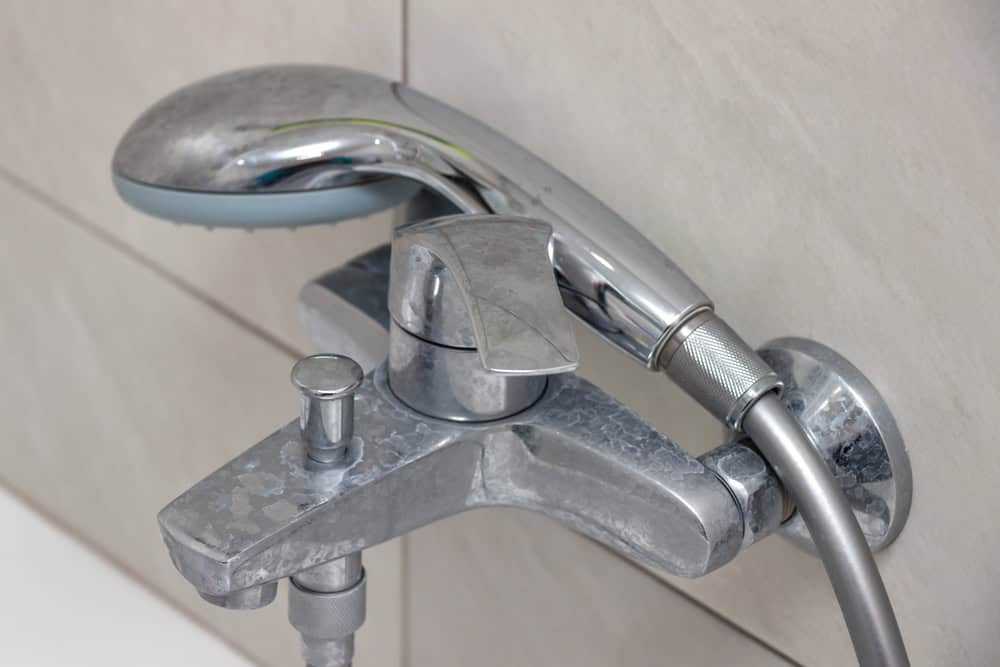
Fixtures such as faucets and showerheads may also suffer from mineral deposits, which can become a breeding ground for bacteria.

These deposits can lead to unsightly stains and a lack of water flow, making everyday tasks more difficult. Using specialized cleaning products can help combat these issues, but they can also be an added expense.

Water Softening Solutions

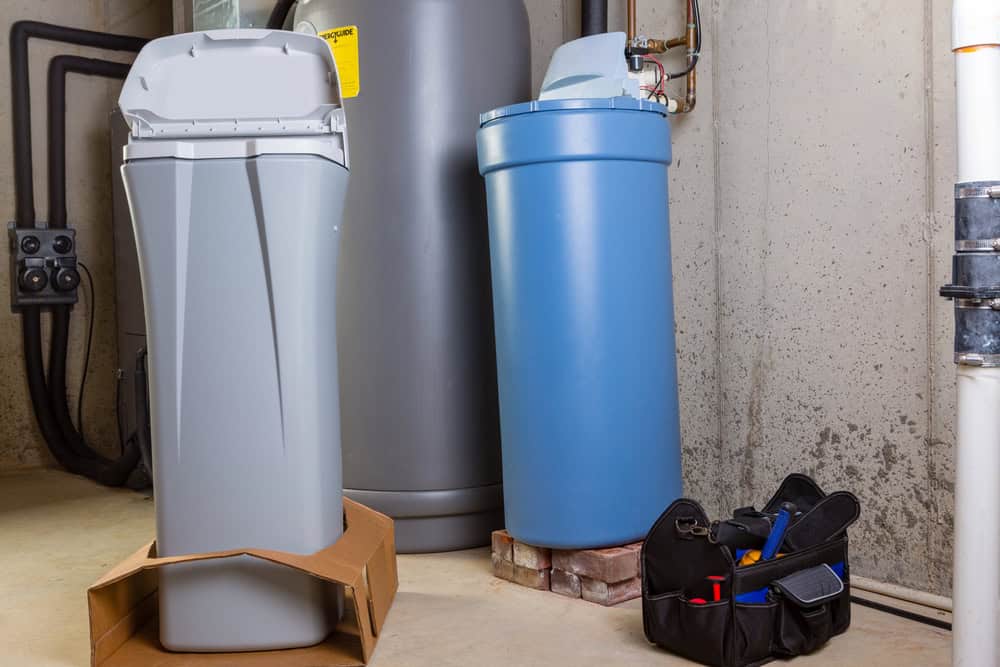
Addressing hard water can seem daunting, but several solutions exist. Installing a water softener is one of the most effective methods for reducing water hardness.

These systems work by exchanging calcium and magnesium ions for sodium or potassium ions, effectively softening the water.

There are various types of water softeners available, including salt-based and salt-free systems. Each has its pros and cons, so researching options based on specific needs is wise.

While the initial investment can be significant, the long-term savings in appliance lifespan and reduced cleaning efforts often make it worthwhile.

Maintenance and Regular Checks

Proper maintenance is key when dealing with hard water issues. Regular checks on plumbing systems and appliances can help catch potential problems early.

Homeowners should consider incorporating a routine inspection schedule to monitor for signs of buildup or damage.

Additionally, periodic cleaning of fixtures and appliances can help reduce the impact of hard water. Using vinegar or specialized descaling agents can break down mineral deposits and keep surfaces looking fresh.

Adopting these practices can extend the life of appliances and preserve plumbing integrity.

Water Testing and Understanding Local Sources

Before making any decisions, it’s a good idea to test your water hardness. Many home improvement stores sell water testing kits, allowing homeowners to determine the hardness level of their water.

Understanding your water supply can provide insights into potential issues and guide decisions on water treatment options.

Local water quality reports can also provide valuable information on mineral content. Knowing whether your area has hard water can prepare you for the challenges that may arise.

Familiarizing yourself with local sources and potential treatments can help you navigate the complexities of water quality.

The Cost of Hard Water

While hard water may not pose health risks, it can lead to significant financial implications.

Homeowners facing complications due to hard water may experience increased utility bills, as appliances work harder to compensate for the mineral buildup.

Furthermore, the cost of repairs or replacements for damaged plumbing and appliances can add up quickly.

Investing in a water softener and routine maintenance can ultimately save money in the long run, making it a worthwhile consideration for many families.

The Environmental Angle

In the grand scheme of water use, hard water contributes to increased energy consumption. Appliances that struggle with hard water often require more energy to operate effectively.

This heightened energy use can have environmental impacts, contributing to a larger carbon footprint.

By addressing hard water issues, homeowners can not only improve their quality of life but also reduce the environmental impact associated with excessive energy consumption.

A commitment to responsible water use and treatment can have far-reaching positive effects.

Community Solutions and Awareness

Community awareness plays a vital role in addressing hard water issues. Many regions implement water treatment programs to manage water quality.

Engaging with local water authorities can provide insights into available resources and treatment options.

Homeowners can also benefit from community workshops or discussions on water quality.

Sharing experiences and solutions can foster a proactive approach to managing hard water challenges, thereby improving the overall quality of life in neighborhoods.